


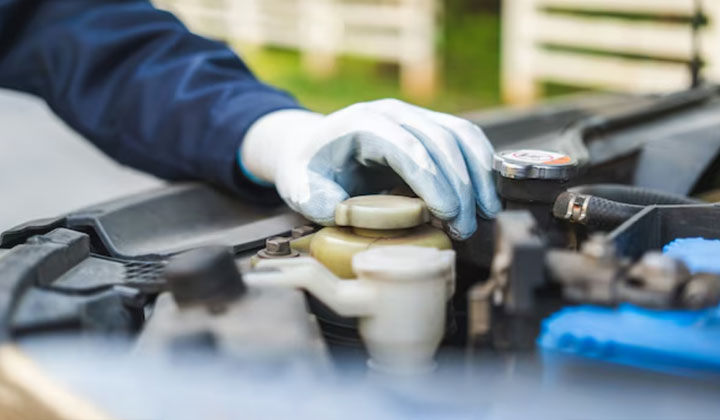
Do you notice any liquid leaking underneath your car when it is parked? Or do you find the coolant level dropping continuously despite topping up? This can be an indication that your car’s cooling system is leaking. Not attending to it will result in engine overheating and costly repairs. But there is some good news; knowing the cause of the problem can help avoid future complications. Here are seven common causes of car coolant leak repair, their identification and repair.
- Damaged or Worn-Out Radiator Hoses
The function of the radiator hoses is to transfer coolant between the engine, radiator and other parts of the cooling system. With time, heat, pressure, and general wear can make the rubber material hard, weak, or cracked.
You will see coolant dripping from the front part of the car or wetness near the hose connection points. At times, a hose may develop a small crack, which results in coolant leaking when the engine is hot.
How to fix it: The damaged hose must be replaced with a new one according to your vehicle specifications.
- A Leaking or Damaged Radiator
The radiator assists in cooling the engine by allowing the passage of coolant through a series of narrow tubes. If the radiator has a crack, a faulty joint, or a leaking seal, the coolant will leak out.
Damage can result from road debris, corrosion, physical damage, and old age. This is evidenced by pooling of the coolant at the front end of the vehicle and an abnormally high engine temperature.
How to Fix: The radiator can be examined by a mechanic to detect leaking areas through a pressure test. This depends on the severity of the damage. A leaking/damaged radiator should never be repaired; it needs replacement.
- A Cracked Coolant Reservoir or Faulty Cap
The coolant reservoir of your vehicle stores extra coolant and maintains the proper amount of coolant in the cooling system. When the plastic reservoir gets a crack, coolant can start leaking.
The cap of the coolant reservoir is another potential problem. The cap helps maintain the right pressure in the system. When the seal of the cap becomes worn out or the pressure valve malfunctions, coolant starts leaking from the reservoir.
How to fix it: The mechanic should check the reservoir, hoses, and cap. A cracked reservoir will have to be replaced, while a malfunctioning cap must be replaced with the right pressure cap for your vehicle.
- A Damaged Water Pump
The water pump moves coolant through the engine and radiator. It plays an important role in keeping the engine at a suitable operating temperature.
A worn pump seal or damaged gasket can allow coolant to leak. You might notice wetness near the water pump, coolant drops under the engine, or an unusual noise if the pump bearing is also damaged.
How to fix it: A mechanic should inspect the pump, its seals, and the surrounding components. If the pump is leaking because of a failed seal or internal damage, replacement is usually necessary. The drive belt and related parts should also be checked where applicable.
- A Leaking Thermostat Housing or Gasket
The thermostat controls coolant flow based on engine temperature. It sits inside or near a housing that connects to the cooling system.
A cracked housing, worn gasket, or damaged seal can cause coolant to escape. Plastic thermostat housings can also become brittle over time due to repeated heating and cooling.
How to fix it: The mechanic should inspect the housing and its sealing surface. Depending on the damage, replacing the gasket or the complete housing may solve the problem. The cooling system should then be refilled and checked for leaks.
- A Leaking Heater Core
Your car’s heater core uses hot engine coolant to provide warm air inside the cabin. A leak in this small heat exchanger can cause coolant to enter the passenger compartment.
Watch for these signs:
- A sweet smell inside the car.
- Unusual fogging on the inside of the windows.
- Damp carpets, especially near the front passenger area.
- Coolant levels dropping without an obvious external leak.
How to fix it: A mechanic may need to pressure-test the cooling system and inspect the heater core. If it is leaking, repair or replacement may be required. The work can involve removing parts of the dashboard, depending on the vehicle.
- A Blown Head Gasket
A head gasket seals the area between the engine block and cylinder head. It keeps coolant, engine oil, and combustion gases separated.
When the gasket fails, coolant may enter the engine cylinders or mix with the oil. You might notice unexplained coolant loss, persistent white exhaust smoke after the engine warms up, or overheating. However, these signs can have other causes, so proper testing is important.
How to fix it: A mechanic may perform a cooling system pressure test, combustion-gas test, or other engine checks to confirm the problem. If the head gasket has failed, the engine needs proper repair. Simply adding more coolant will not solve it.
When Should You Get a Coolant Leak Checked?
Do not wait for the engine to overheat before seeking assistance. It is possible to inspect the coolant level only when the engine is cool, according to the directions of the manufacturer of your car.
If there is a sign of overheating, steam coming out, and severe coolant leakage, pull over to a safe place and turn off the engine. Do not open the radiator or coolant reservoir caps when the engine is hot. Hot coolant can burn you.
The technician at the professional workshop will be able to conduct a cooling system pressure test, visual inspection, and, if necessary, inspect the leaks using UV dye. Once the leaking part is fixed, the mechanic should fill up the cooling system with coolant and bleed the air, if necessary.
Need Professional Car Coolant Leak Repair in Dubai?
A coolant leak may start with a few drops, but leaving it untreated can put your engine at risk. Whether the problem comes from a damaged hose, radiator, water pump, or head gasket, finding the actual cause is the first step towards a lasting repair.
Noticed coolant leaking from your car? Contact our team for professional inspection and repair. Tell us your car’s make, model, and the symptoms you have noticed. We will help you identify the next steps and explore suitable repair options. Book your Car Coolant Leak Repair Dubai service today and get your cooling system checked before a small leak turns into a bigger engine problem.